Trauma can affect how the mind and body respond to everyday life long after a difficult experience has passed. For many people, these effects show up as anxiety, depression, emotional overwhelm, or a persistent sense of being “stuck.” EMDR therapy is an evidence-based, trauma-informed approach designed to help the brain process and heal from distressing experiences so they no longer have the same emotional impact.
At Flower In The Wind Therapy, EMDR therapy is offered in a supportive, client-centred way that honours each person’s pace, nervous system, and lived experience. Understanding what EMDR therapy is and what EMDR therapy is used for can help determine whether it may be a good fit for your mental health needs.
What Is EMDR Therapy?
A common question is, what is EMDR therapy?
EMDR therapy, which stands for Eye Movement Desensitization and Reprocessing, is a structured psychotherapy approach developed to help people heal from trauma and other distressing life experiences. When trauma occurs, the brain may not fully process the experience, leaving memories “frozen” with the original emotions, physical sensations, and beliefs attached.
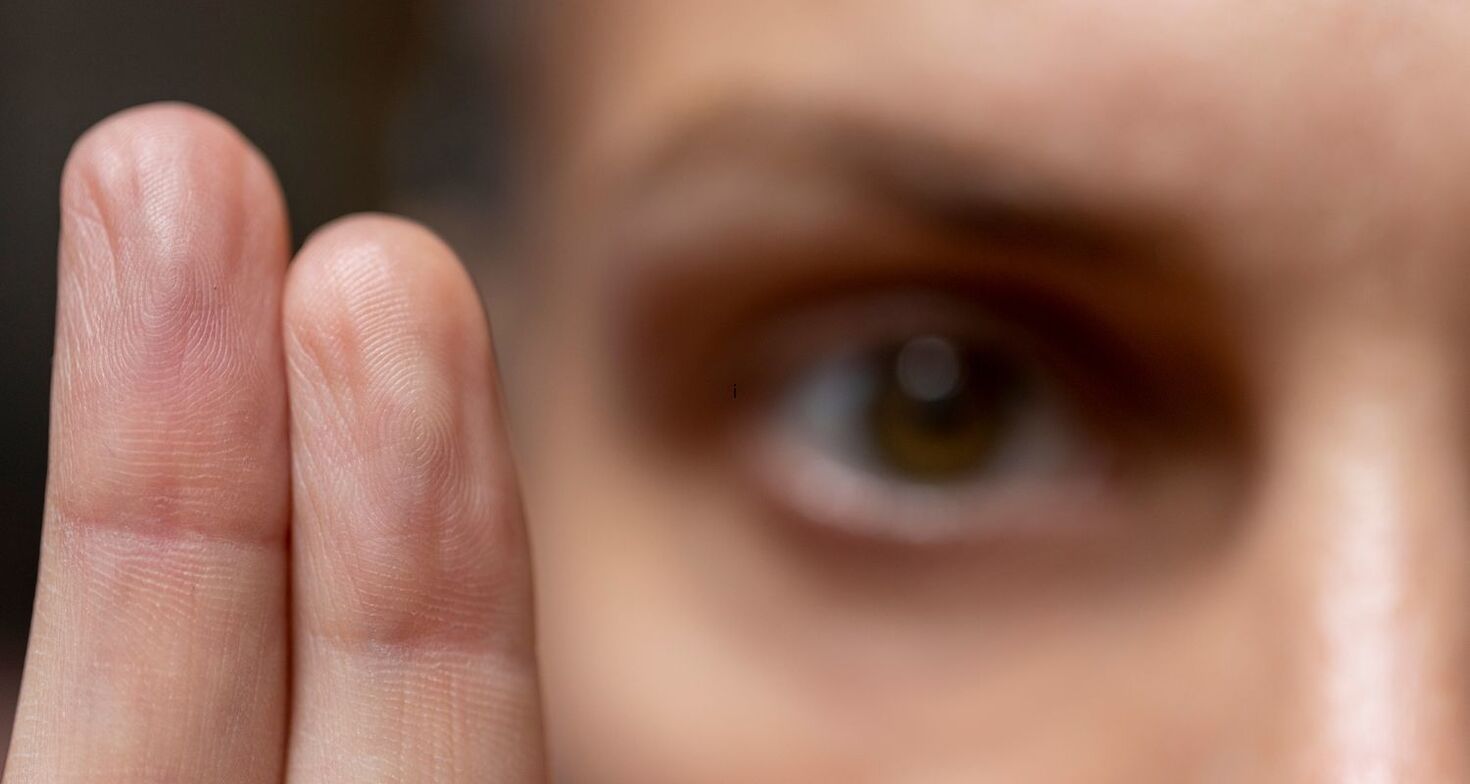
EMDR therapy uses bilateral stimulation, such as guided eye movements, tapping, or auditory tones, to help the brain reprocess these memories. This allows the nervous system to move out of a state of threat and into a more adaptive, regulated state.
Unlike traditional talk therapy, EMDR therapy does not require repeatedly discussing traumatic events in detail. Instead, it focuses on how memories are stored in the brain and helps resolve them at a neurological level.
What Is EMDR Therapy Used For?
Another frequently asked question is, what is EMDR therapy used for? While it is most well-known for trauma treatment, EMDR therapy is used to support a wide range of mental health concerns.
Trauma and PTSD Therapy
EMDR therapy is widely recognized as an effective treatment for trauma and PTSD therapy. Trauma can result from a single event or from repeated experiences over time, including:
-
Childhood emotional neglect or abuse
-
Sexual assault
-
Accidents or medical trauma
-
Domestic violence
-
Military combat
-
Loss or grief
Trauma does not always look dramatic from the outside. Even experiences that may seem “small” can have a lasting impact on the nervous system. EMDR therapy helps reduce symptoms such as intrusive memories, nightmares, emotional numbness, hypervigilance, and intense emotional reactions.
What Is EMDR Therapy Used For? Anxiety & Depression
Many people are surprised to learn what EMDR therapy is used for. Anxiety & Depression is one of the most common applications.
Anxiety and depression often have roots in unresolved experiences, chronic stress, or deeply held negative beliefs such as “I’m not safe” or “I’m not good enough.” EMDR therapy helps identify and reprocess the experiences that contributed to these patterns.
EMDR therapy for anxiety and depression can help:
-
Reduce chronic worry and panic responses
-
Improve mood and emotional stability
-
Decrease feelings of shame or hopelessness
-
Increase confidence and self-compassion
By addressing underlying causes rather than only symptoms, EMDR therapy supports long-term mental health improvement.
What Is EMDR Therapy Used For? Phobias & Addictions
Another area where EMDR therapy is effective is in its intended use. Phobias & Addictions.
Phobias are often linked to specific distressing memories or learned fear responses. EMDR therapy helps desensitize these triggers so the brain no longer reacts as if danger is present.
For addictions, EMDR therapy can be used to:
-
Address trauma underlying substance use
-
Reduce emotional triggers and cravings
-
Process shame, guilt, or self-criticism
-
Support recovery in a trauma-informed way
When trauma is resolved, many people find it easier to develop healthier coping strategies and maintain lasting change.
EMDR Therapy and Mental Health
Mental health challenges rarely exist in isolation. Trauma can influence relationships, self-esteem, physical health, and emotional regulation. Trauma-informed therapy, such as EMDR therapy, recognizes how past experiences shape present-day mental health.
EMDR therapy supports mental health by:
-
Calming the nervous system
-
Reducing emotional reactivity
-
Improving stress tolerance
-
Supporting healthier beliefs about the self
This trauma-informed approach prioritizes safety, choice, and collaboration throughout the therapeutic process.
What Happens During EMDR Therapy?
EMDR therapy follows an eight-phase treatment framework designed to ensure emotional safety and effectiveness. Sessions begin by building trust, learning grounding skills, and identifying goals for therapy.
During reprocessing phases, attention is briefly directed toward specific memories while bilateral stimulation is used. Clients remain present and aware, with full control over the pace of the session.
Many people notice:
-
Reduced emotional intensity around painful memories
-
New insights or perspectives
-
A sense of relief or lightness
-
Improved sleep and mood
Each EMDR therapy experience is unique, and progress unfolds differently for each individual.
Virtual Therapy and Online EMDR Therapy
Access to mental health care has expanded significantly through virtual therapy. Online EMDR therapy allows clients to receive trauma-informed treatment from the comfort and privacy of home.
Online EMDR therapy is:
-
Secure and confidential
-
Research-supported
-
Effective for trauma, anxiety, and depression
-
Convenient for busy schedules or limited mobility
Virtual therapy can be especially helpful for individuals who feel safer engaging in therapy from their own space.
Why Trauma-Informed EMDR Therapy Matters
Not all therapy approaches are trauma-informed. Trauma-informed therapy recognizes how trauma affects the brain, body, and nervous system and prioritizes emotional safety throughout treatment.
At Flower In The Wind Therapy, EMDR therapy is provided with an emphasis on compassion, consent, and pacing. Healing is never rushed, and sessions are tailored to each individual’s needs.
This approach helps clients feel empowered rather than overwhelmed during the healing process.
How EMDR Therapy Helps People Move Forward
Healing does not mean erasing the past, it means no longer being controlled by it. EMDR therapy allows distressing memories to be integrated into the brain in a way that feels manageable and grounded.
Through EMDR therapy, people often experience:
-
Greater emotional balance
-
Increased self-trust
-
Improved relationships
-
A stronger sense of resilience
Mental health healing is possible, even when trauma has been present for many years.
Final Thoughts
So, what is EMDR therapy and what is it used for? EMDR therapy is a powerful, trauma-informed approach used to treat trauma, PTSD, anxiety, depression, phobias, and addictions. By helping the brain reprocess distressing experiences, EMDR therapy supports lasting emotional healing and improved mental health.
Flower In The Wind Therapy offers EMDR therapy through a compassionate, individualized approach, including options for online EMDR therapy. With the right support, healing can feel more accessible, grounded, and possible.